

Exhibit Booth Sales: How Great Exhibits Support Sales, Not Just Branding

How exhibit booth sales improve through design
A strong exhibit should absolutely look good. But if it stops there, it is not doing enough. Trade show booths live in a business environment, not an art gallery. Their job is not only to express a brand. It is to support conversations, product understanding, lead capture, and the kind of interaction that moves a relationship forward.
That is why sales support should be part of exhibit design from the beginning. The booth should help the team do its job better. It should attract the right visitors, create enough comfort for conversation, present products clearly, and make it easy for staff to guide people through the story. When the environment helps those actions happen naturally, the booth becomes much more valuable.
Visibility is part of that equation. The booth should communicate enough from a distance to help the right attendee self-select. Clear headlines, strong visuals, and focused product messaging all help attract people who are more likely to engage meaningfully. If a visitor reaches the booth already understanding the general offer, the sales conversation starts on stronger ground.
Layout matters too. Sales-focused booths should think carefully about where the first interaction happens. Not every conversation belongs at the front edge. Some brands need a fast qualification zone. Others need a demo-first sequence. Others need a path that moves visitors from broad awareness into a more private conversation. The layout should support the intended sales rhythm instead of forcing reps to improvise around it.
Product storytelling is another major factor. In many booths, products do not fail because they are weak. They fail because they are presented without enough context. A good exhibit helps visitors understand what they are looking at, why it matters, and where to focus first. It gives products hierarchy. It creates moments of attention instead of visual overload.
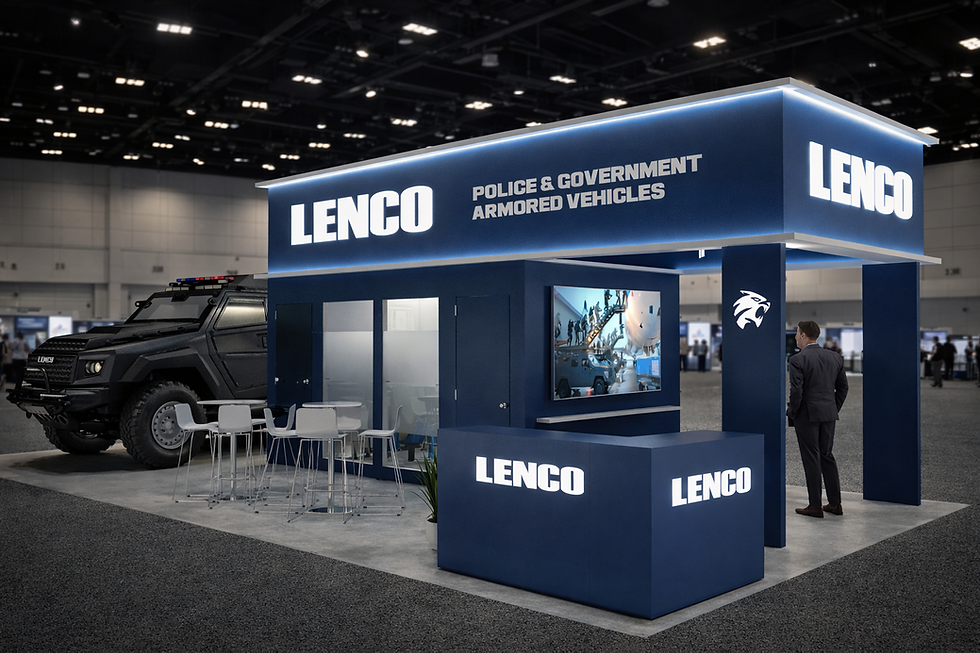
Meeting areas are equally important. If the event is a relationship-driven show, the booth needs places where real conversation can happen. That does not always mean full private rooms. Sometimes it means semi-open seating that feels intentional and protected enough for serious discussion. The key is that these spaces should feel designed, not improvised.
Exhibit Booth Sales becomes stronger when the concept balances clear messaging, practical planning, and a layout built for real show-floor behavior.
Booths can also support sales through confidence. When a brand shows up in a well-designed environment, it changes perception. The team feels more credible. The message feels more coherent. Products feel better framed. That does not replace the sales conversation, but it improves the conditions around it.
This is where design and business stop being separate. A booth can be branded and beautiful while still being highly practical. In fact, the best exhibit environments usually are. They know how to create visual impact without sacrificing function. They understand that one of the strongest things a booth can do is make it easier for a team to connect with the right people.
It is also worth remembering that the sales process does not always end in the booth. Many trade show conversations continue later. A well-designed environment gives people something memorable to associate with the brand after the show. That can be architecture, a strong feature, a clear message, or simply an experience that felt thoughtful and easy to navigate.
The most effective exhibit design supports branding and sales at the same time. It creates presence, but it also creates utility. It makes the brand look stronger, while quietly helping the team perform better. That is the sweet spot: an environment that works hard without ever looking like it is trying too hard.
The strongest booths support branding and exhibit booth sales at the same time. They create presence, but they also create momentum for real conversations and measurable outcomes.


Comments